
What's Growing Along My Fence Line? Common East Texas Plants Every Homeowner Should Know
If you've ever walked the edge of your property and wondered, "What exactly is all this stuff growing back here?" you're not alone.
Fence lines are some of the most interesting areas of an East Texas landscape. They're often left undisturbed for years, making them the perfect place for vines, wildflowers, young trees, and invasive plants to establish themselves. While some of these plants can create maintenance headaches, others provide valuable benefits for wildlife and pollinators.
Here are some of the most common plants we encounter while working on properties throughout East Texas.
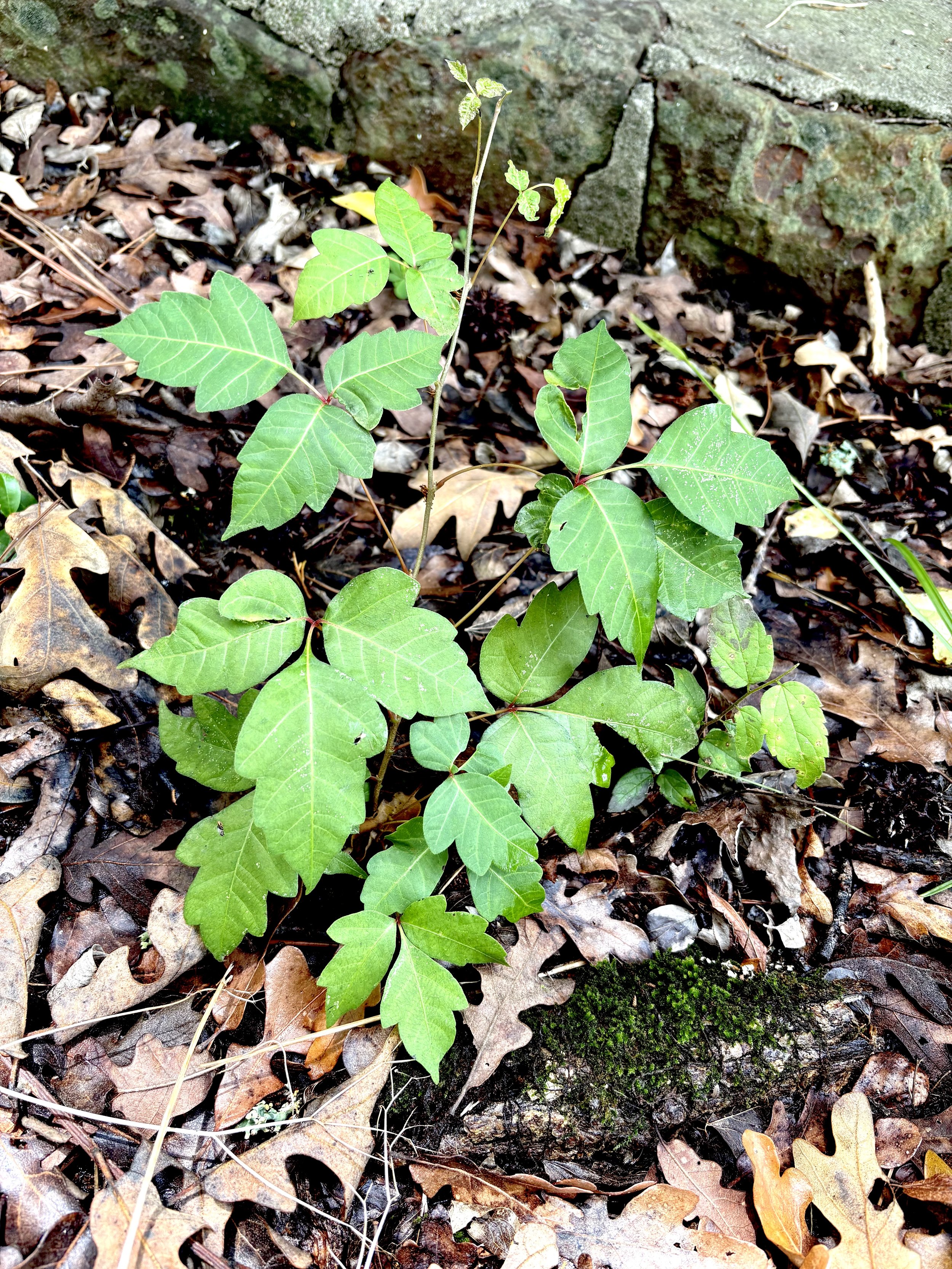
1. Poison Ivy
Perhaps the most infamous plant in East Texas, poison ivy can be found almost everywhere—from fence rows and wooded property lines to flower beds and tree trunks.
How to Identify It
Three leaflets per leaf
Can grow as a ground cover, shrub, or climbing vine
Leaves vary in shape and may appear glossy or dull
Why It Matters
The plant contains an oil called urushiol, which can cause an itchy rash in many people. What's surprising is that every part of the plant contains this oil, including the stems and roots.
East Texas Fun Fact
Poison ivy thrives in disturbed areas. After a property cleanup, land clearing project, or storm damage, it's often one of the first plants to recolonize an area.
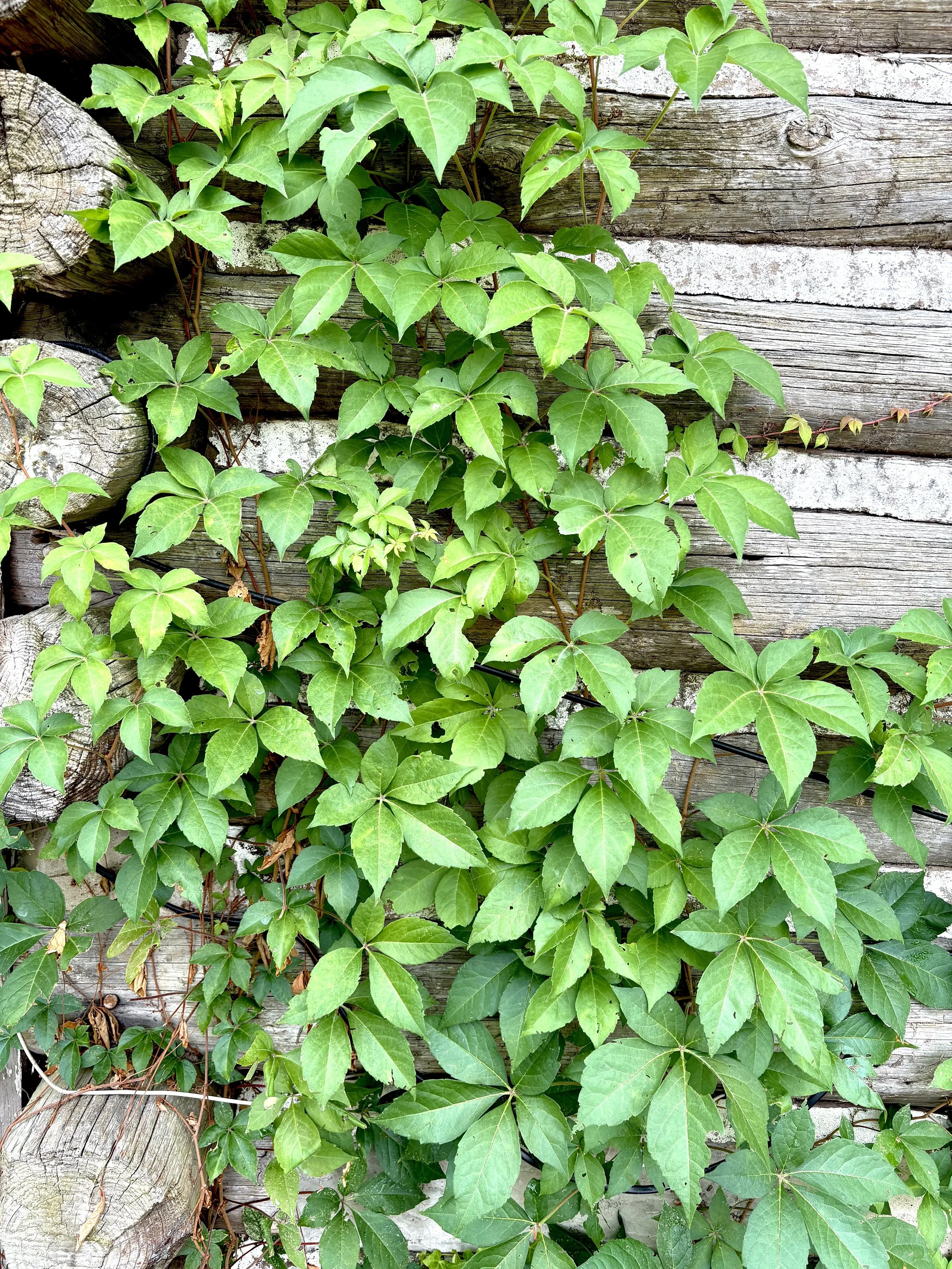
2. Virginia Creeper
Virginia creeper is one of the most commonly misidentified plants in East Texas because people often mistake it for poison ivy.
How to Identify It
Five leaflets per leaf
Climbing vine
Produces dark blue berries
Why It Matters
Unlike poison ivy, Virginia creeper is generally harmless to touch and provides food and shelter for many species of birds.
East Texas Fun Fact
During the fall, Virginia creeper often turns brilliant shades of red and burgundy, creating some of the most beautiful natural color displays found in East Texas woodlands.
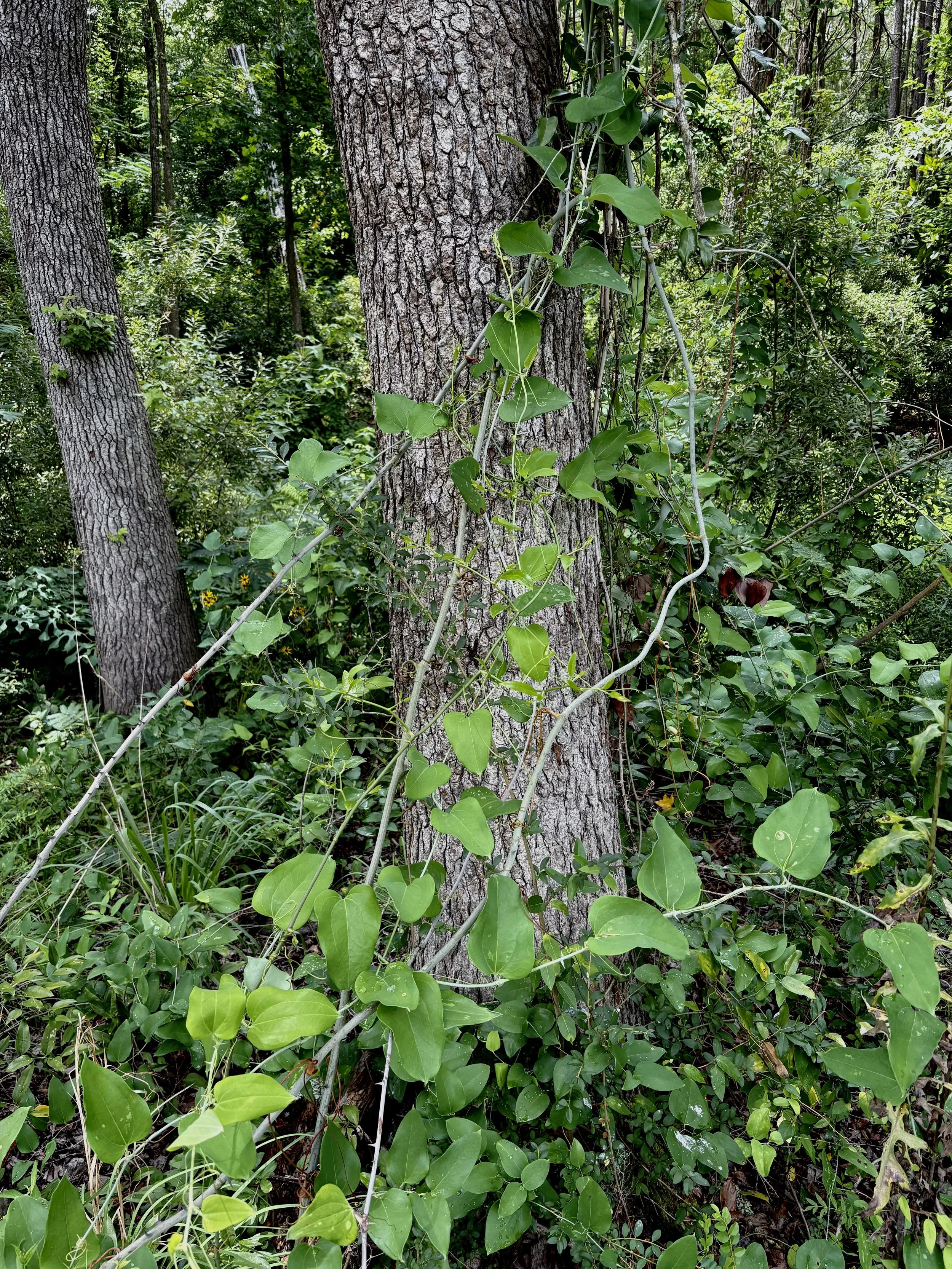
3. Greenbrier (Smilax)
If you've ever tried to clear a fence line and found yourself tangled in a thorny vine that seemed impossible to remove, you've probably met greenbrier.
How to Identify It
Heart-shaped leaves
Thick climbing vines
Sharp thorns along the stems
Tendrils that help it climb
Why It Matters
Greenbrier grows aggressively and can quickly overtake trees, shrubs, and fence lines. Cutting it back often provides only temporary relief because of its extensive underground root system.
East Texas Fun Fact
Greenbrier produces underground tubers that store energy. This allows the plant to survive droughts, mowing, and repeated cutting better than many other species.
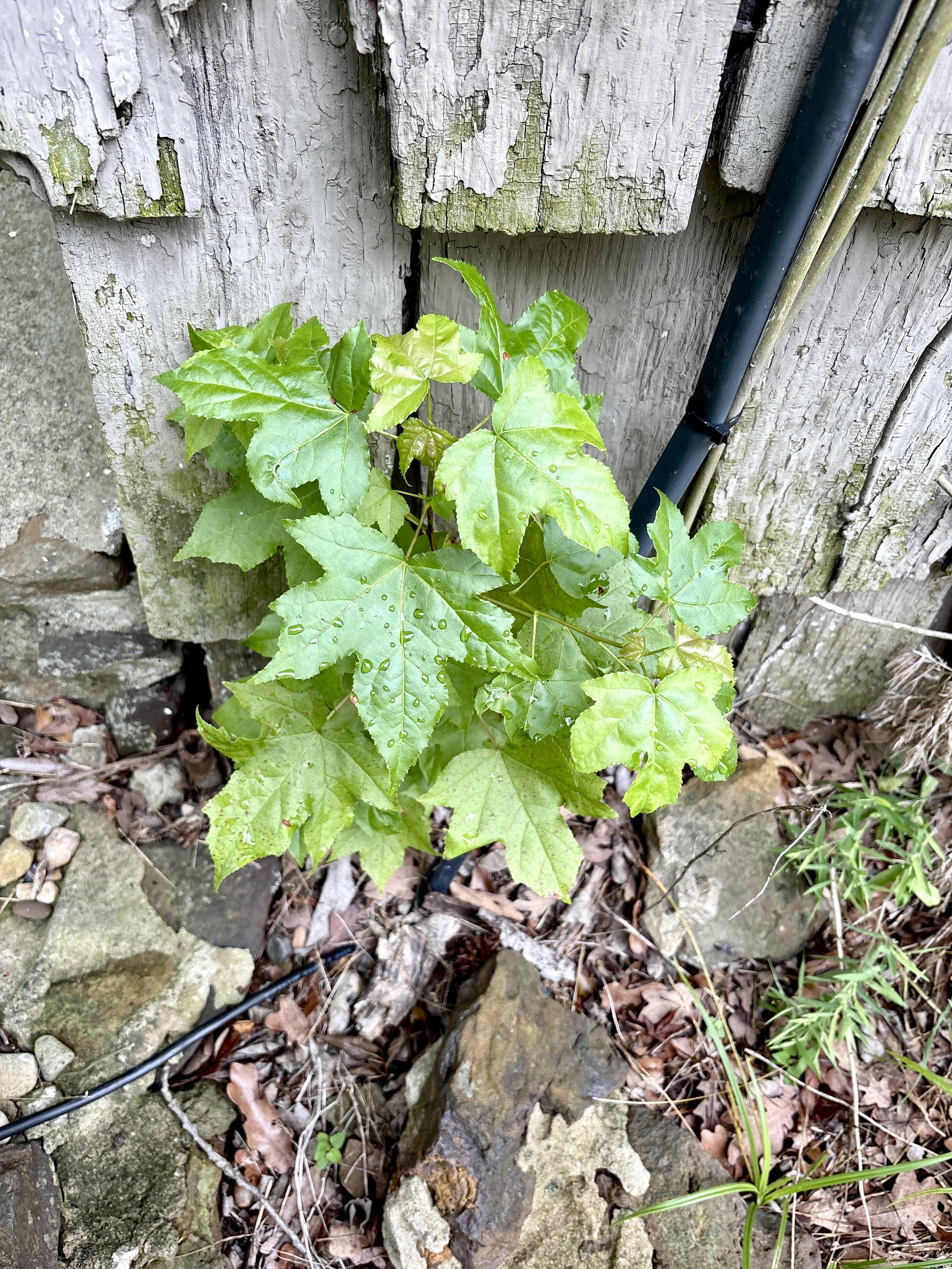
4. Sweetgum Saplings
Sweetgum trees are native to East Texas and are commonly found popping up along fence lines and wooded edges.
How to Identify Them
Distinctive star-shaped leaves
Fast-growing young trees
Smooth green stems when young
Why They Matter
A tiny sweetgum sapling can quickly become a large tree if left alone. While mature sweetgums provide shade and wildlife habitat, unwanted saplings can become difficult to remove once established.
East Texas Fun Fact
The familiar spiky "sweetgum balls" produced by mature trees can contain dozens of seeds each, helping explain why sweetgum seedlings seem to appear everywhere.
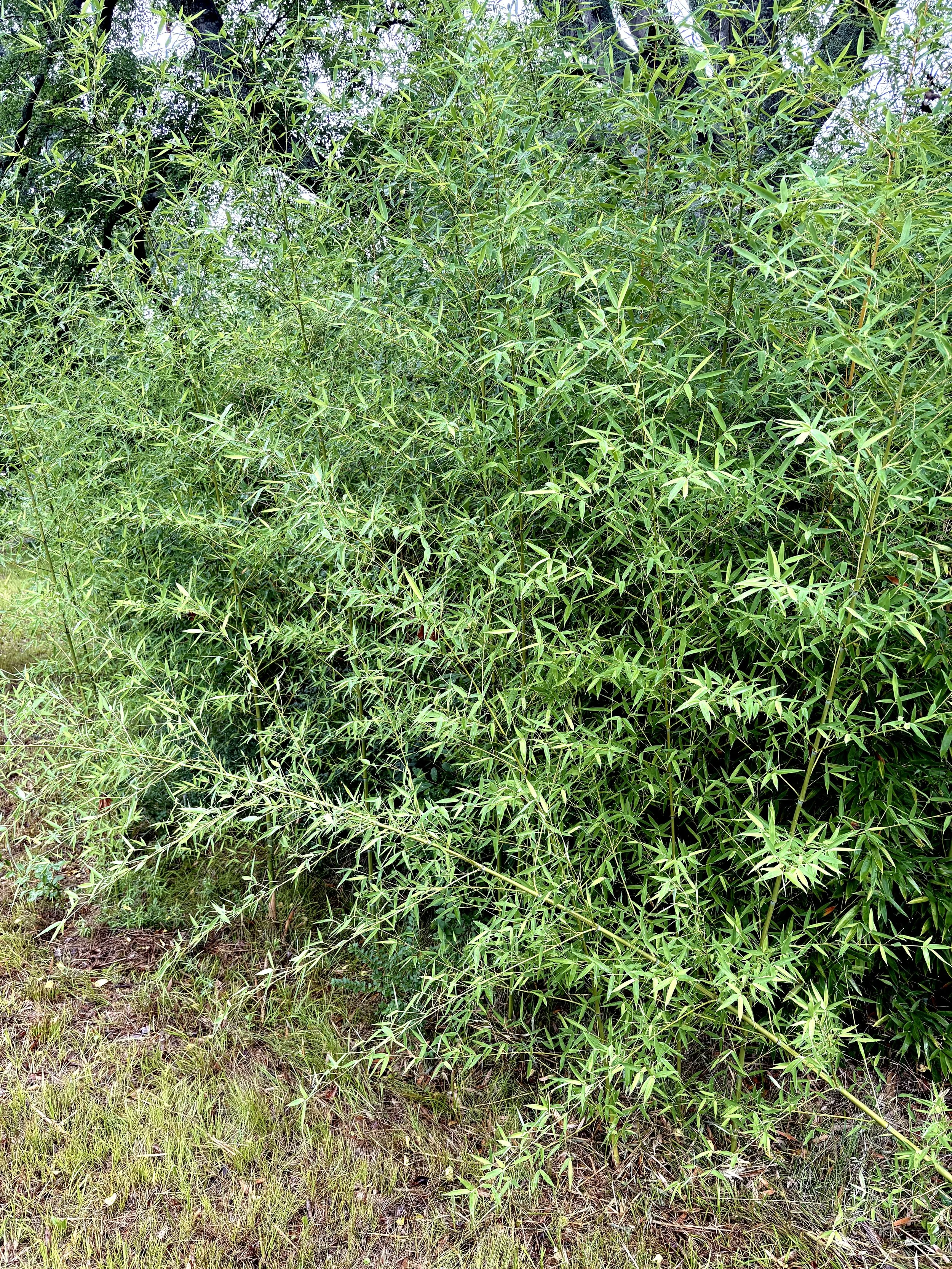
5. Bamboo
Many East Texas properties contain patches of bamboo that were intentionally planted decades ago for privacy, wind protection, or ornamental purposes.
How to Identify It
Tall hollow stalks
Jointed stems called culms
Dense colonies that spread outward
Why It Matters
Bamboo can create an attractive privacy screen, but some species spread aggressively through underground rhizomes and can gradually expand into neighboring areas.
East Texas Fun Fact
Some bamboo stands found around old East Texas homesteads may have been growing continuously for generations. Even when the visible stalks die, the underground rhizome network often survives and produces new growth.
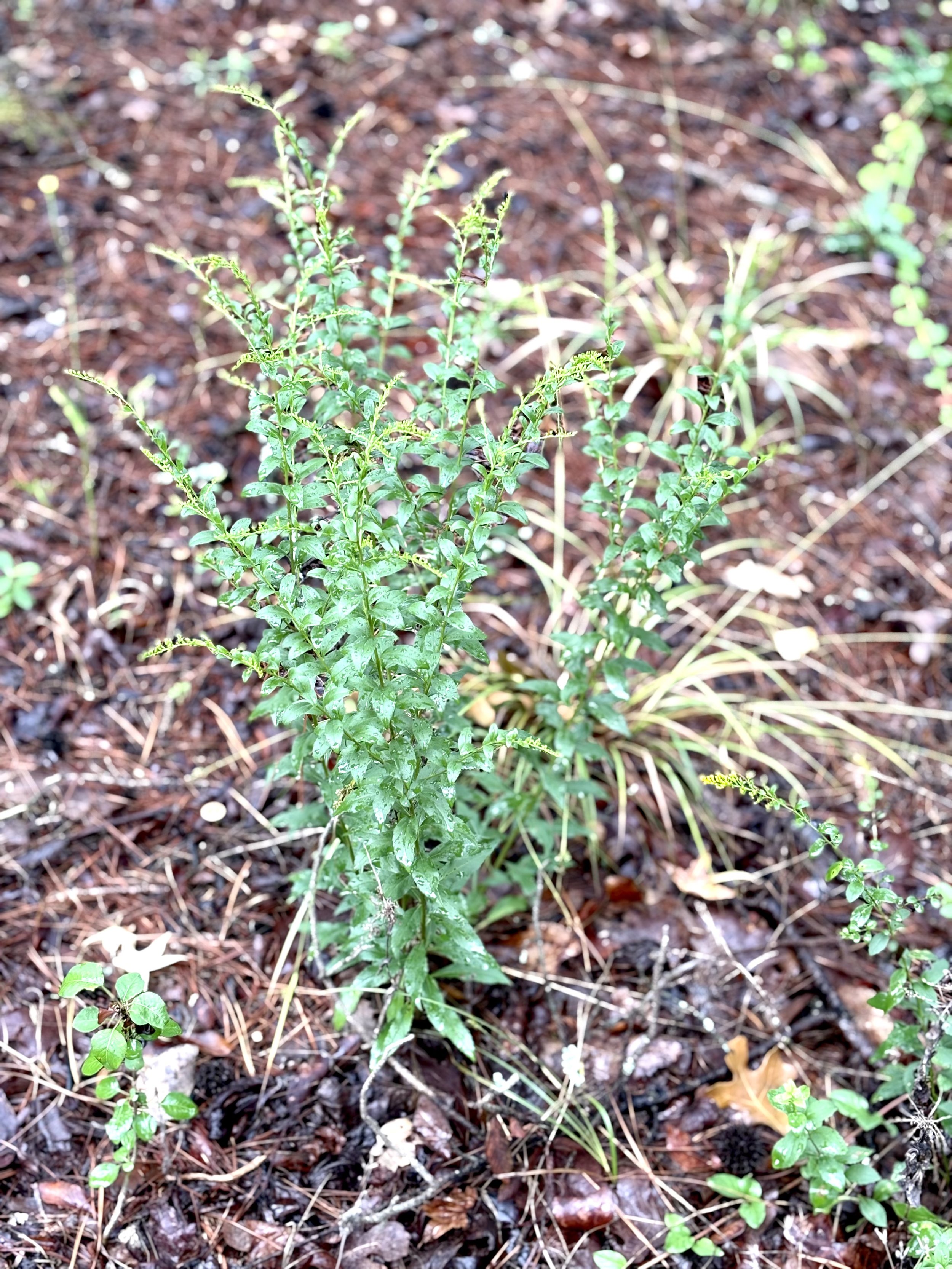
6. Goldenrod
Goldenrod is one of the most overlooked native wildflowers in East Texas.
How to Identify It
Tall stems
Bright yellow flower clusters
Blooms in late summer and fall
Why It Matters
Goldenrod is an important nectar source for bees, butterflies, and many other pollinators.
East Texas Fun Fact
Despite its reputation, goldenrod is not usually responsible for seasonal allergies. The real culprit is often ragweed, which blooms around the same time but produces much lighter pollen that travels through the air.
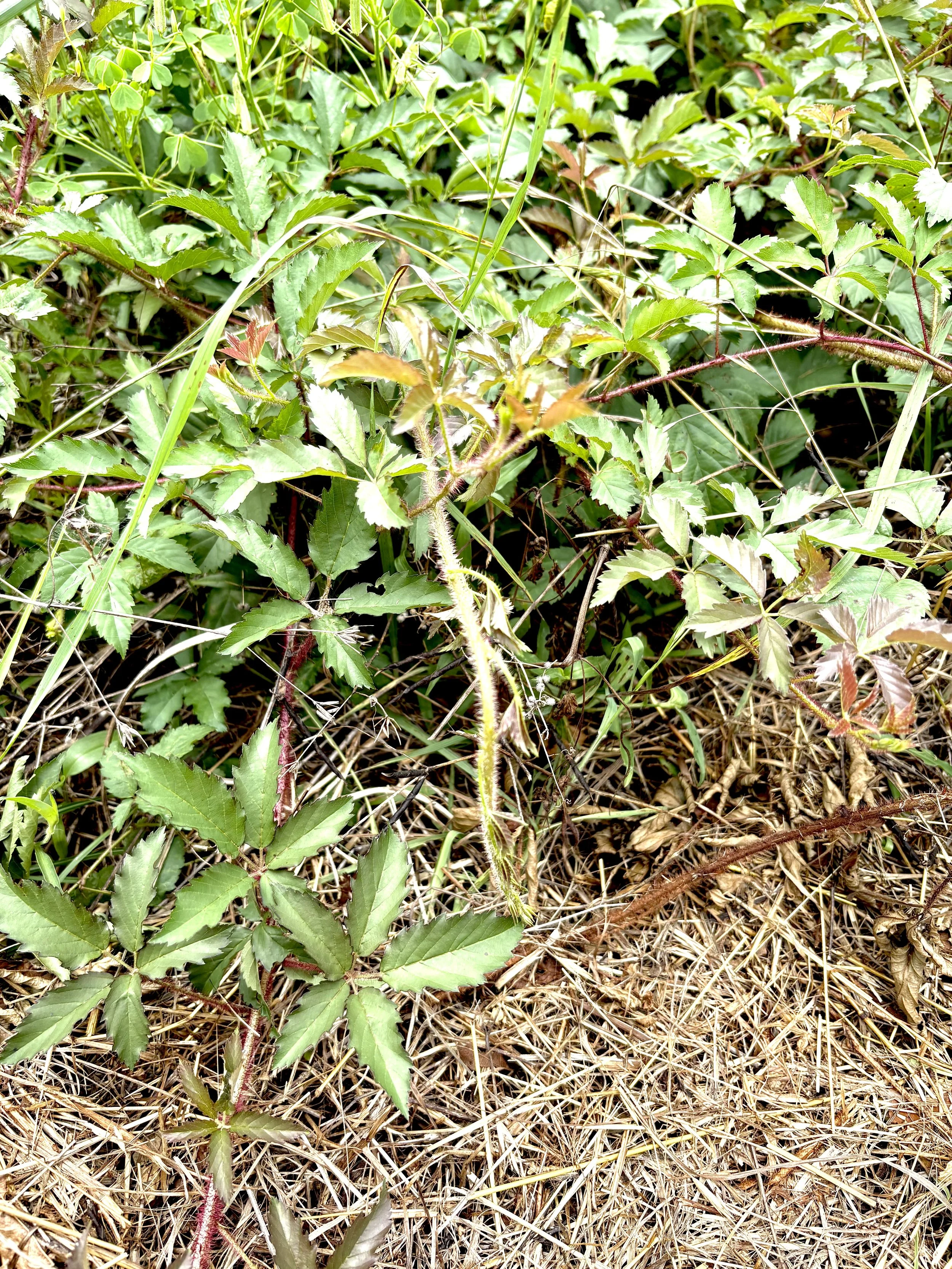
7. Native Blackberry / Southern Dewberry
Wild blackberry patches are common throughout East Texas and often establish themselves along fence lines and woodland edges.
How to Identify It
Thorny canes
White flowers in spring
Black berries in early summer
Why It Matters
Blackberries provide food for birds, deer, small mammals, and people. However, without management they can spread into dense thickets.
East Texas Fun Fact
In East Texas, the most common bramble is often Southern Dewberry, which is closely related to blackberries. Many people simply call them wild blackberries because the fruits look very simliar.
Not Every Wild Plant Is a Weed
One of the most interesting things about East Texas landscapes is that many plants commonly considered "weeds" actually serve an important purpose. Native wildflowers support pollinators, vines provide wildlife habitat, and mature trees offer shade and food for countless species.
The challenge isn't eliminating every wild plant. It's understanding which plants add value to your property and which ones are likely to become maintenance problems in the future.
Take a Walk Along Your Fence Line
Your fence line tells a story about your property. It reveals which plants thrive in your soil, how wildlife moves through the area, and where future maintenance challenges may develop.
The next time you're outside, take a few minutes to walk your property line and see what you can identify. You might discover beneficial native plants, spot an invasive species before it spreads, or simply gain a greater appreciation for the unique ecosystem that exists right in your own backyard.
After all, your yard is more than just grass—it's part of a much larger East Texas ecosystem.